Photography locations

Find places worth the early alarm and the long drive

Mediamiclipcottag helps photographers choose locations with workable light, clear access, and room to compose—without treating every cliff edge like a postcard template.

Five location families we plan around

Each guide covers access patterns, light windows, composition hazards, kit choices and how to decide whether a spot is worth the journey for your style of work.

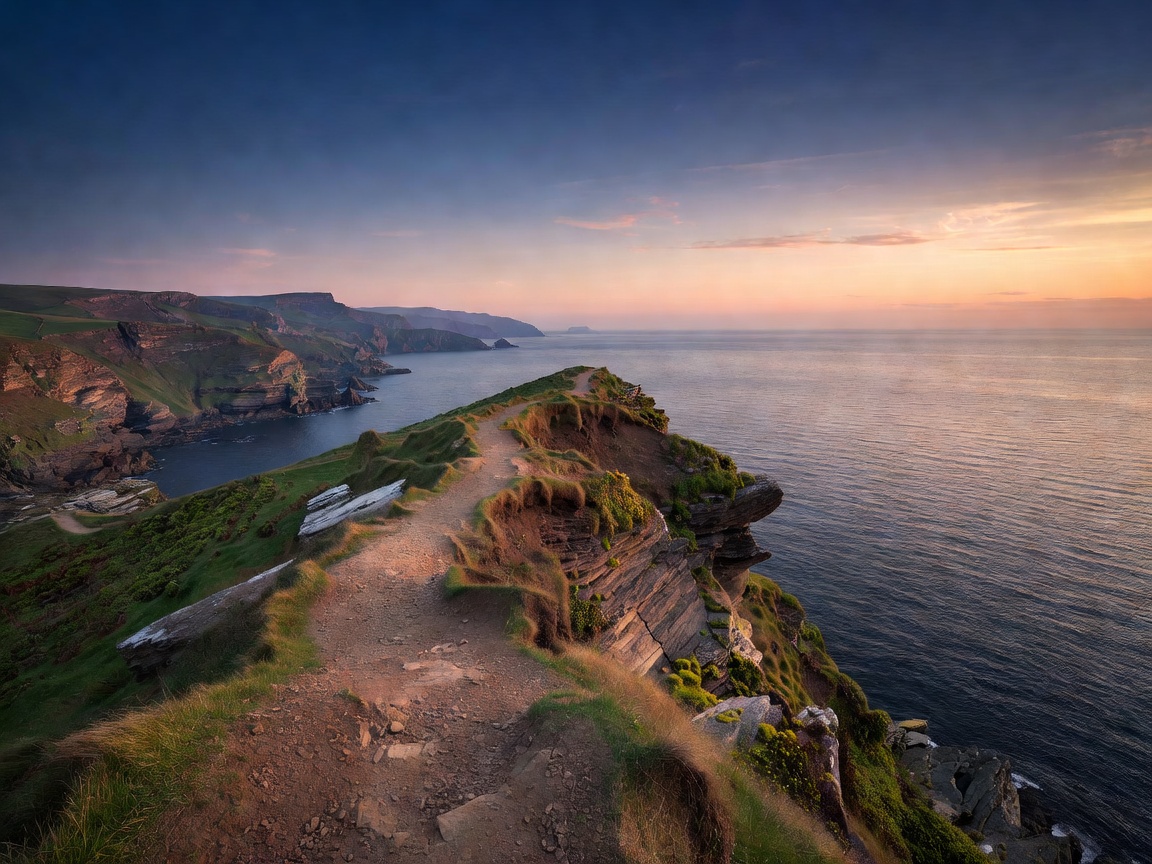
Clifftop path overlooking layered headlands and open sea at soft evening light

Seascape craft

Coastal headlands

How tidal timing, wind fetch and cliff geometry shape safer, stronger seascape frames—plus when headlands fail as locations.

Tides Long exposure Access
Read coastal guide
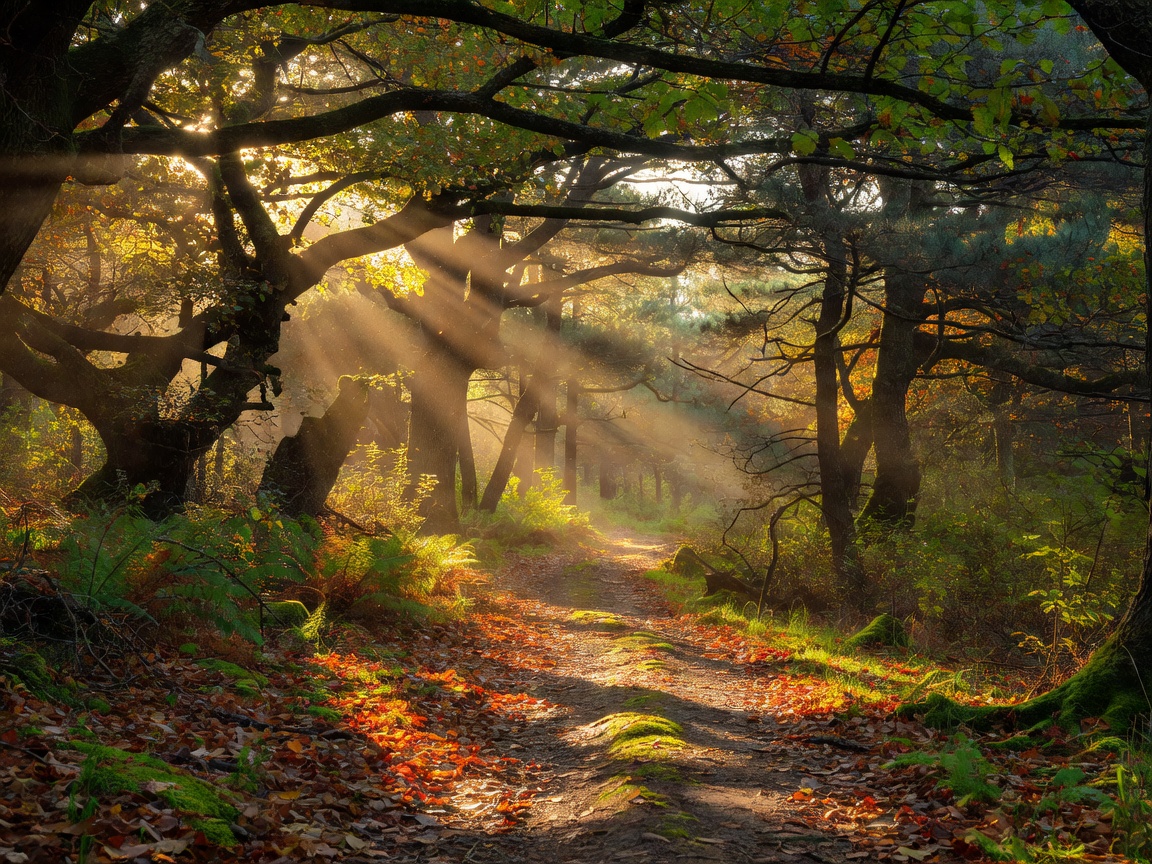
Sun shafts filtering through layered woodland canopy along a quiet trail

Canopy & mist

Woodland trails

Reading understorey structure, fog behaviour and path design so woodland images avoid the “green mush” problem.

Fog Layers Lens choice
Read woodland guide
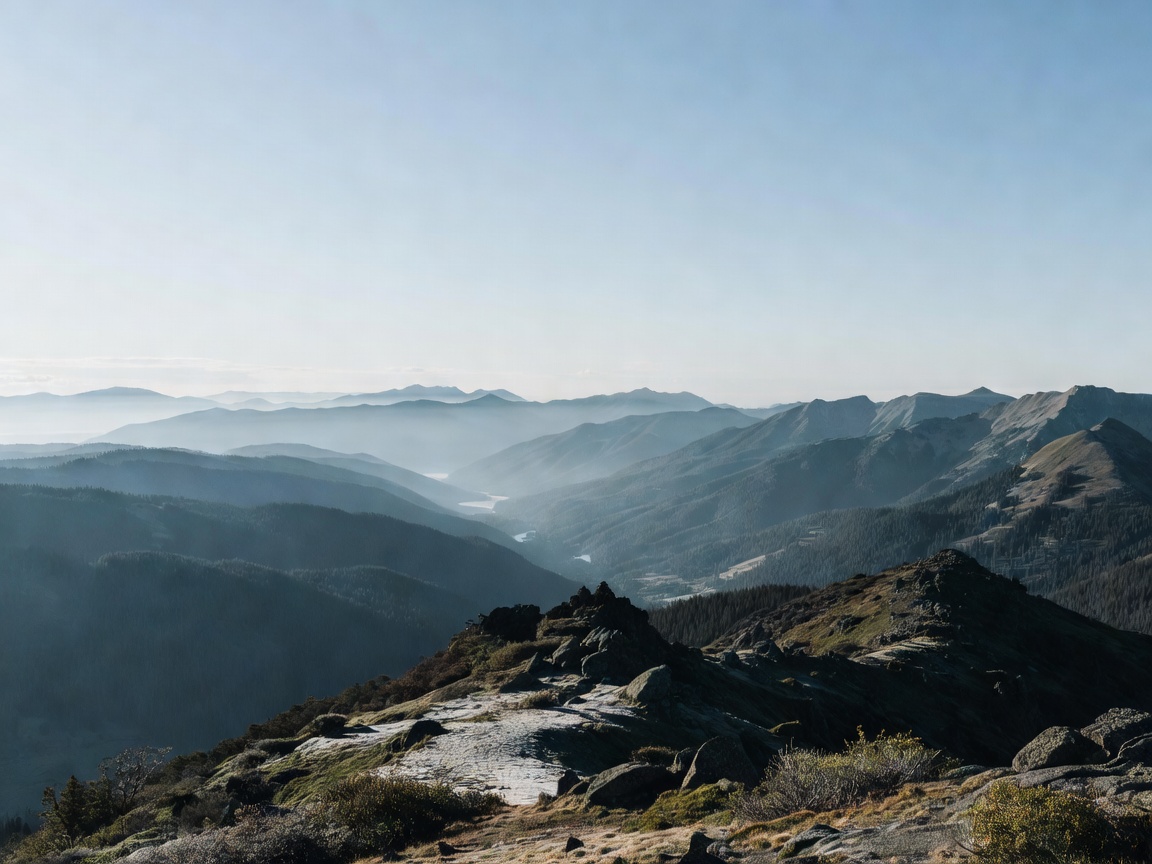
Ridgeline viewpoint with layered mountain valleys under cool morning sky

Altitude & weather

Mountain viewpoints

Choosing ridges and passes for depth, cloud movement and exit plans—without romanticising risk or inventing summit scores.

Ridges Weather windows Depth
Read mountain guide
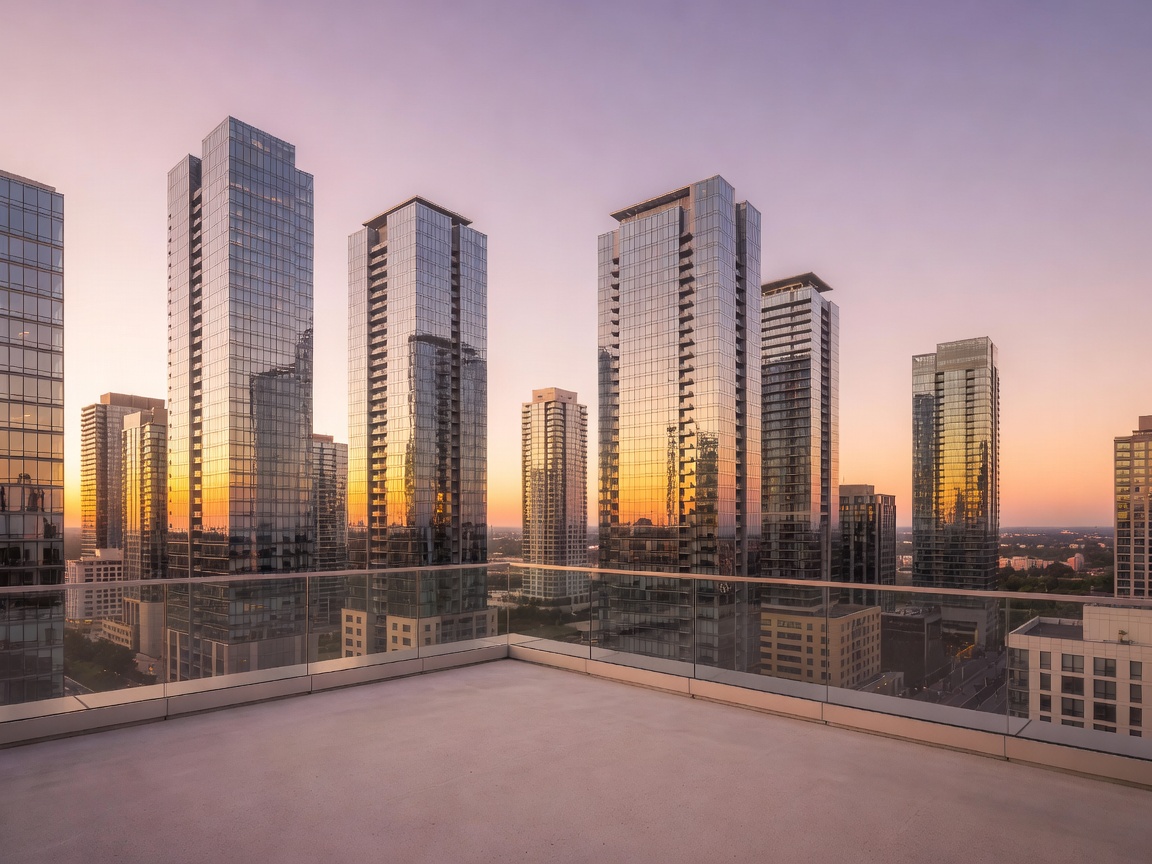
City skyline seen from an elevated terrace with soft dusk glow on glass facades

Elevated cities

Urban overlooks

Legal access, railing management, blue-hour timing and how to pick overlooks that still feel intentional after nightfall.

Blue hour Access rules Skyline lines
Read urban guide
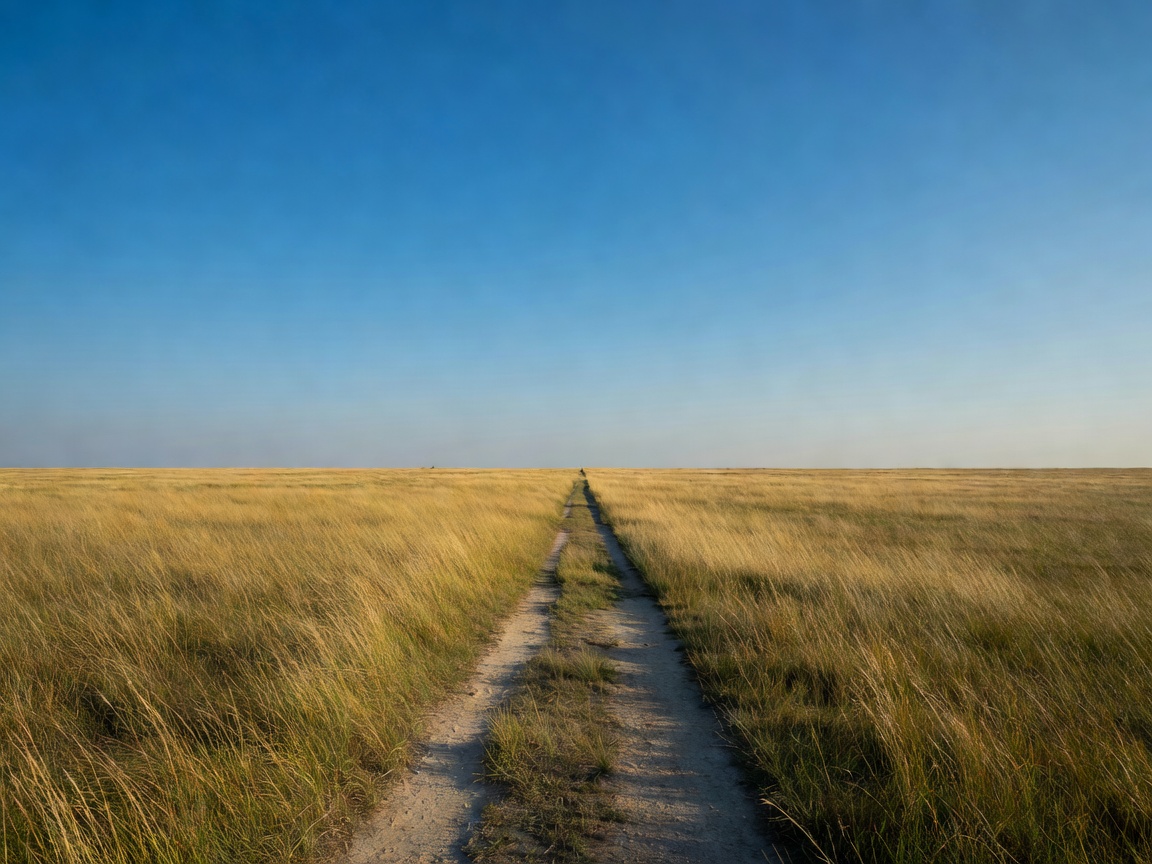
Wide open grassland under a broad sky with a single dirt track leading toward the horizon

Scale & sky

Open landscapes

Working plains, dunes and low relief where sky, texture and a single strong element have to carry the entire frame.

Minimalism Weather fronts Foregrounds
Read open-land guide

Location planning that respects access and weather

Strong location work is less about chasing a famous silhouette and more about matching terrain to your available light, kit and time. We write for working photographers who need decision criteria: when to walk further, when to wait, and when to turn around.

  • Access notes that separate public paths from private edges
  • Light windows tied to orientation, not generic “golden hour” slogans
  • Composition constraints you can test on a phone scouting pass
  • Exit and weather thinking as part of creative planning